
If there’s one thing I’ve learned while building the Adopt-A-Community Program (ACP) as an initiative under Soul Harvesters Outreach Ministry, it’s this: Real collaboration is impossible without real relationships. Not surface-level coordination or quick partnerships, but meaningful relationships strong enough to carry the weight of community pain, hope, and long-term impact.
And honestly, one of the things that keeps me going, despite the difficulties and challenges, is knowing that the work reflects God’s love and compassion for humanity. For the people we serve, that truth makes it worth it. It keeps me focused, strengthened, and willing to keep moving forward.
One of the first lessons I learned is that coordination alone doesn’t change communities. You can coordinate meetings, events, swap flyers, and refer families, but you can’t coordinate trust. And trust is the currency of transformation.
In neighborhoods that have spent years surviving cycles of poverty, violence, broken promises, and rapid change, people can immediately tell the difference between an organization that simply shows up and one that is there for the long haul. I wanted ACP to have credibility, not only with the community, but with the partners who chose to walk alongside us. People need to feel that they’re partnering with something real, authentic, and impactful in action.
That meant:
-
Showing up to events not sponsored by Soul Harvesters, simply to help
-
Calling community partners just to check in, not only when something was needed
-
Listening and learning without bringing my own agenda
-
Respecting the lived experiences of residents
-
Honoring the work nonprofits and community leaders were already doing
Being transparent and bringing something to the table without expecting anything in return is where real trust begins.
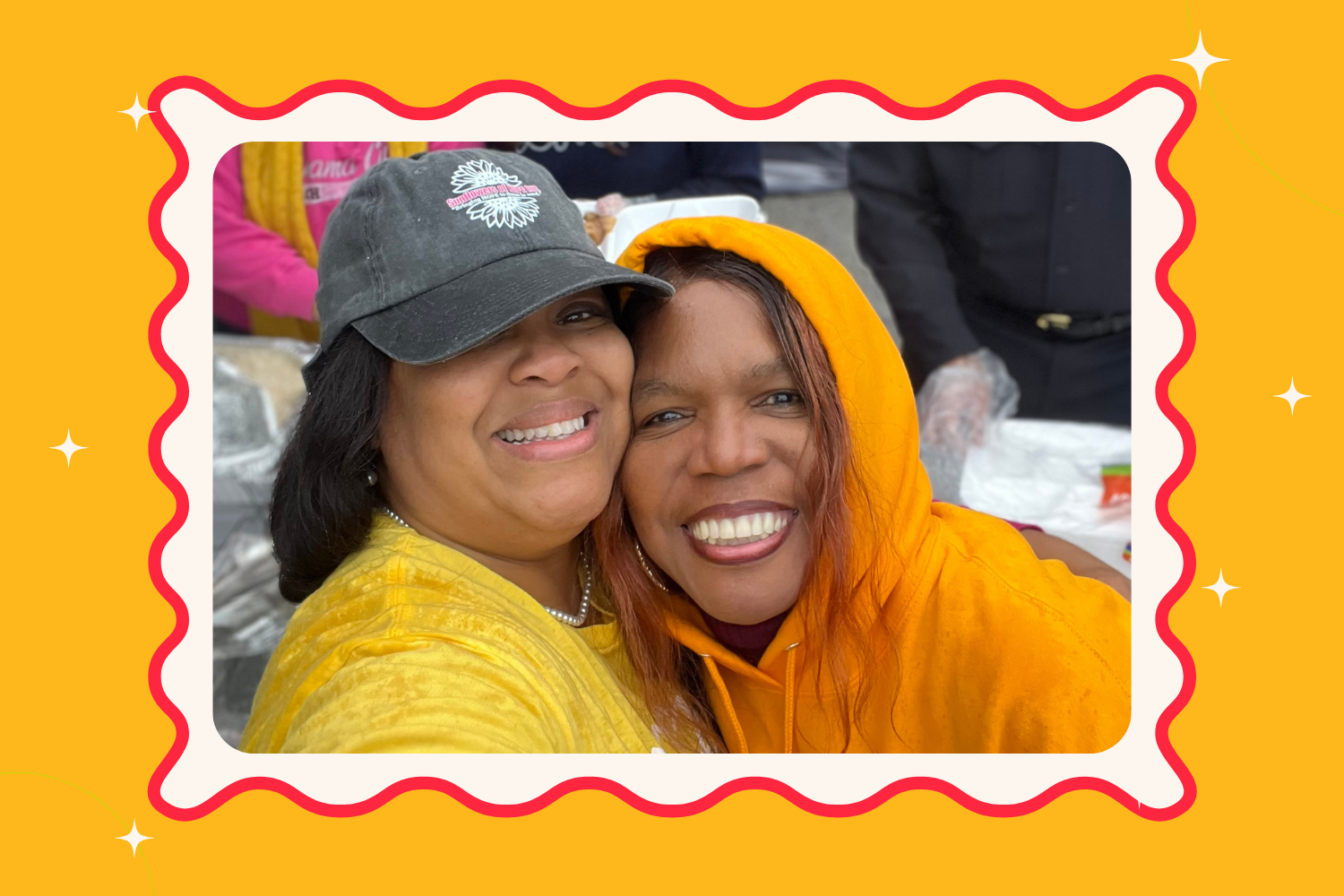
Trust doesn’t appear because a program launches or a partnership is announced. It builds slowly. Moment by moment. Conversation by conversation. Action by action.
The community sees strength and unity when we:
-
Show up to support schools
-
Participate in community walks and neighborhood events
-
Engage in gun-violence task force meetings
-
Stay present even when things get complicated or uncomfortable
They feel it when their voices are included through surveys, when commitments are followed through, and when partnerships are treated with integrity and value. Over time, we’ve seen something powerful happen in our ACP partnerships. A real sense of camaraderie. A growing family among community partners.
Leaders who once barely knew each other now share resources, solve problems together, build friendships, and support one another. Collaboration becomes effective, and even enjoyable, when we genuinely care about what others are doing to strengthen the community.
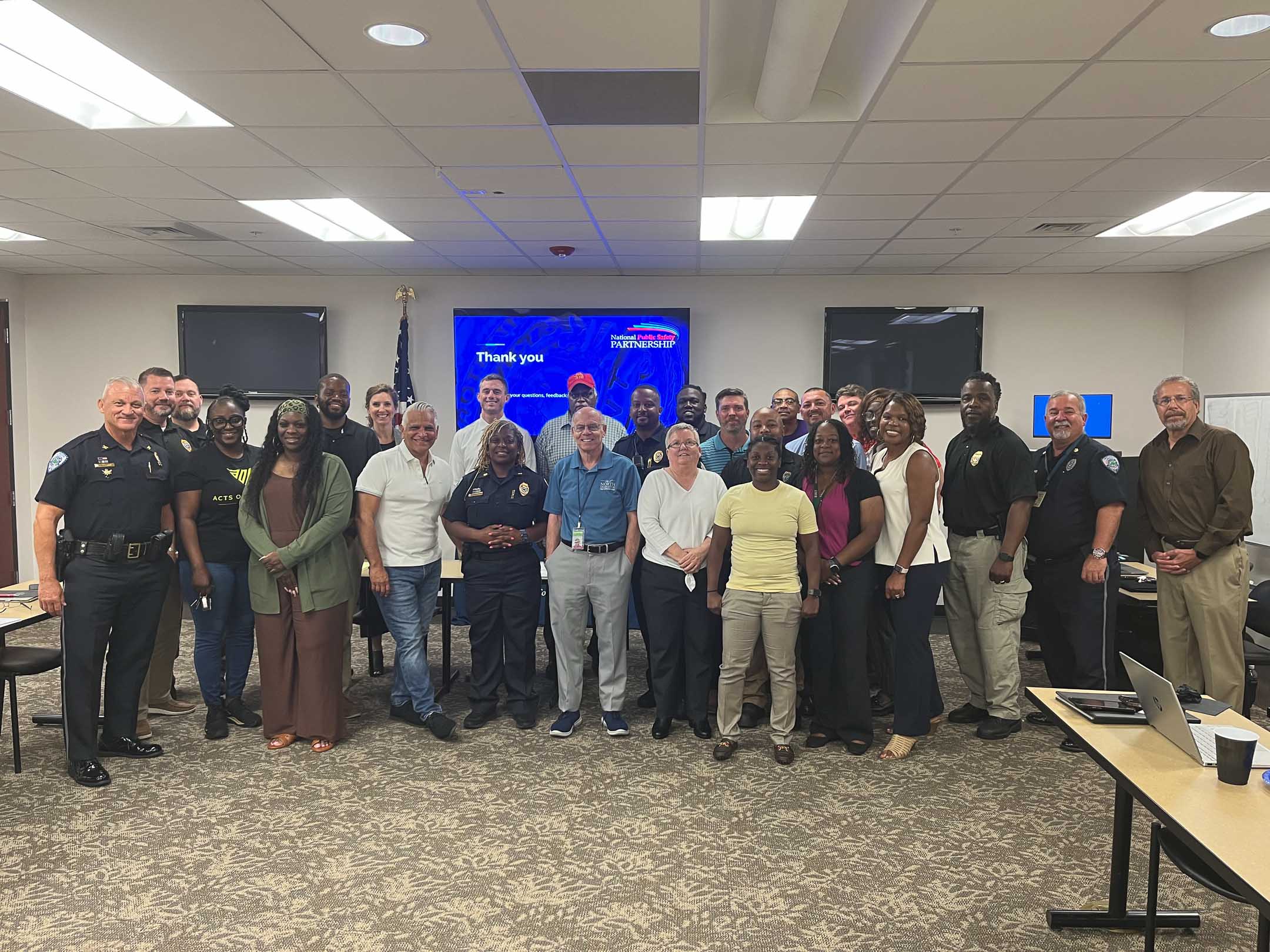
Every collaborative effort comes with challenges, and ACP was no exception. But those challenges shaped us.
Here’s what we’ve learned:
-
Speed vs. Relationship
Work meant to last takes time. Relationships are built, not rushed. -
Turf Protecting
Some organizations feared losing visibility. We had to reinforce that ACP exists for collaboration, not competition. Support, not takeover. -
Different Communication Styles
Working across diverse organizations requires adaptability. Community support doesn’t look the same to everyone. -
The Emotional Weight of the Work
Serving vulnerable communities requires resilience, compassion, and accountability. Holding people to their commitments is not easy, but it matters. -
It’s Not About You
This work must always be bigger than the individual leading it. Pride and personal opinions can’t be allowed to impede the mission.
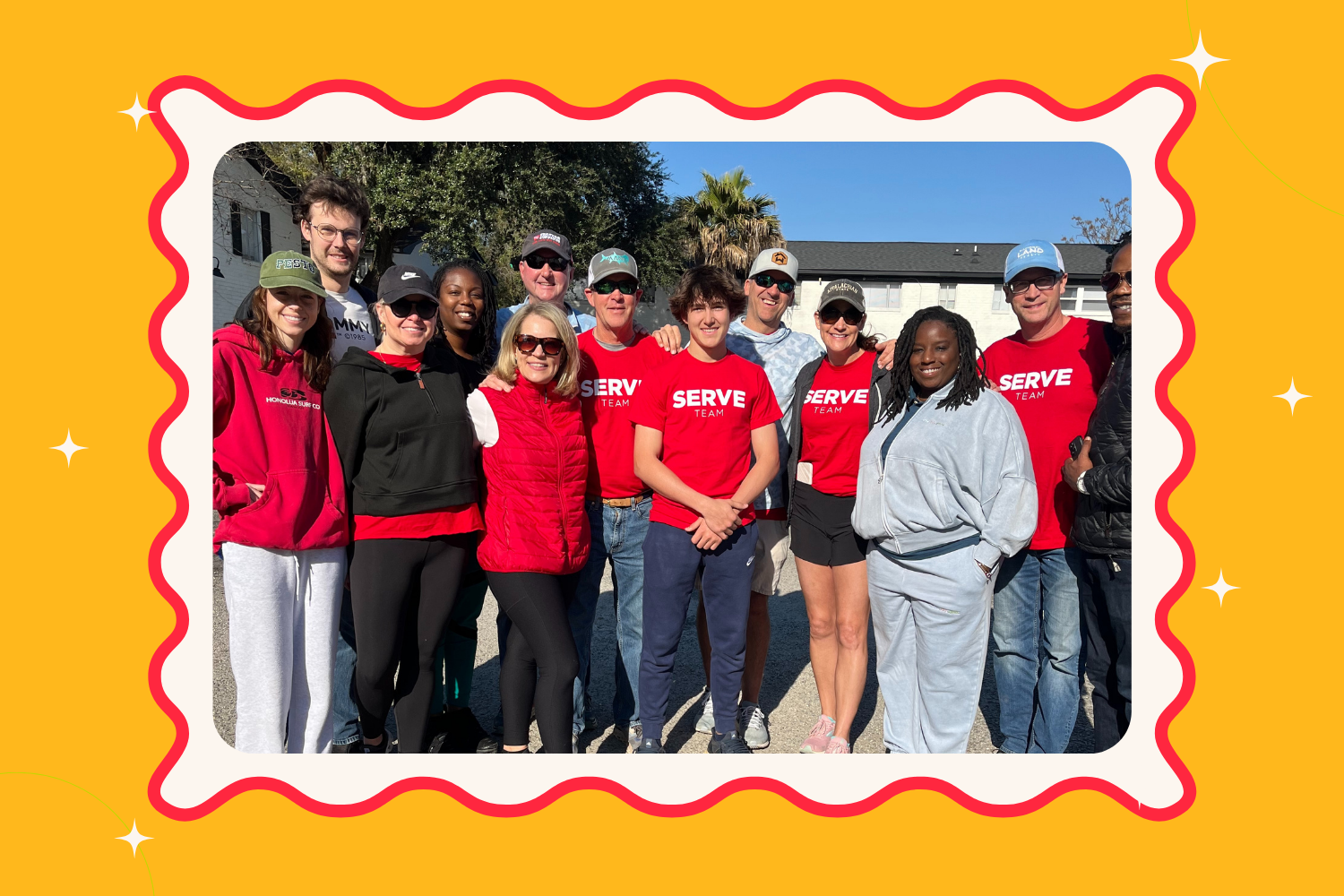
There are moments when you can feel the impact of working together, and they remind us why the work matters.
-
Schools reported positive behavior changes in students through initiated programs
-
Residents began showing up because they knew their voices would be heard
-
Over 40 organizations now consistently attend and engage in monthly meetings
-
Organizations once siloed now collaborate around food insecurity, housing, jobs, and mental health in ACP meetings
-
“Day of Hope & Peace” became a symbol of unity with police, residents, nonprofits, and leaders standing together
-
Impoverished schools now have food pantries and clothing closets through ACP support
These moments don’t just reflect collaboration.
They reflect God’s heart for love and restoration.
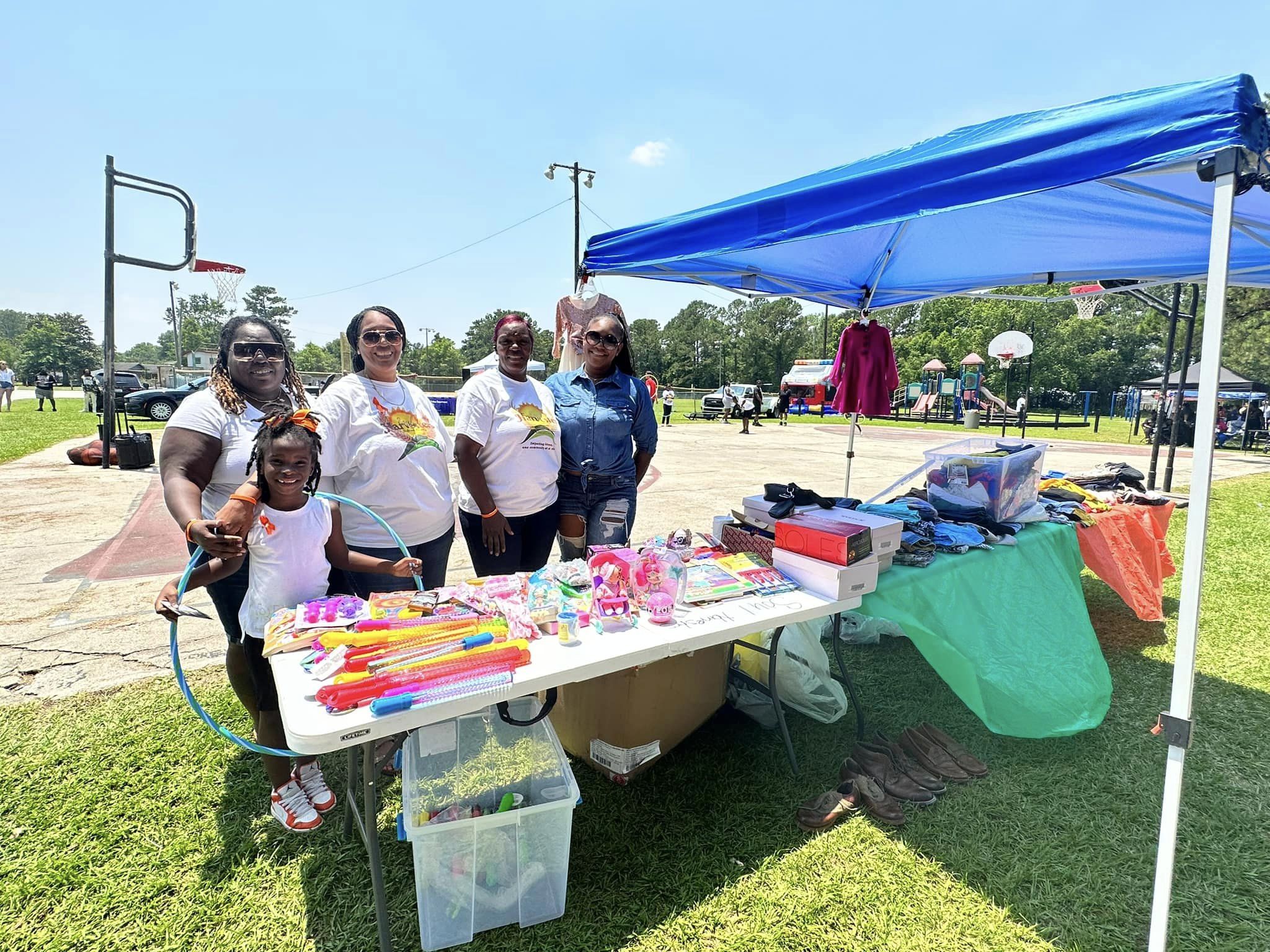
Collaboration requires humility, patience, emotional energy, and sacrifice. Not everyone is willing to carry that cost, and that’s often why some efforts never reach their full potential.
But when leaders, residents, families, schools, police, churches, and nonprofits come together, not for credit but for community, transformation begins to take root. Adopt-A-Community is living proof of what’s possible when people choose unity, purpose, and faith over convenience.
And this is only the beginning.